Understanding State Minimum Wage Laws: A Guide to Fair Compensation

Who's helped by raising the minimum wage? : Infographics
As of 2023, the federal minimum wage in the United States remains at $7.25 per hour, a rate that has not changed since 2009. However, many states and localities have taken it upon themselves to increase the minimum wage to reflect the rising cost of living and promote fair compensation for workers. In this article, we will delve into the world of state minimum wage laws, exploring the regulations set by the U.S. Department of Labor and the varying minimum wage rates across different states.
Minimum wages hiked for workers by revising variable dearness allowance ...
Ontario’s Minimum Wage Goes Up October 1st | Featured | 705 Black Fly

Introduction to State Minimum Wage Laws

Federal and State Minimum Wage Rates for 2018
The Fair Labor Standards Act (FLSA) sets the federal minimum wage, but it also allows states to establish their own minimum wage laws, as long as they do not fall below the federal rate. Currently, 29 states and the District of Columbia have minimum wage rates higher than the federal minimum wage. These state minimum wage laws are designed to protect workers from exploitation and ensure that they earn a fair wage for their labor.
Minimum Wage Increases to Take Effect July 1 - MD|DC Credit Union ...
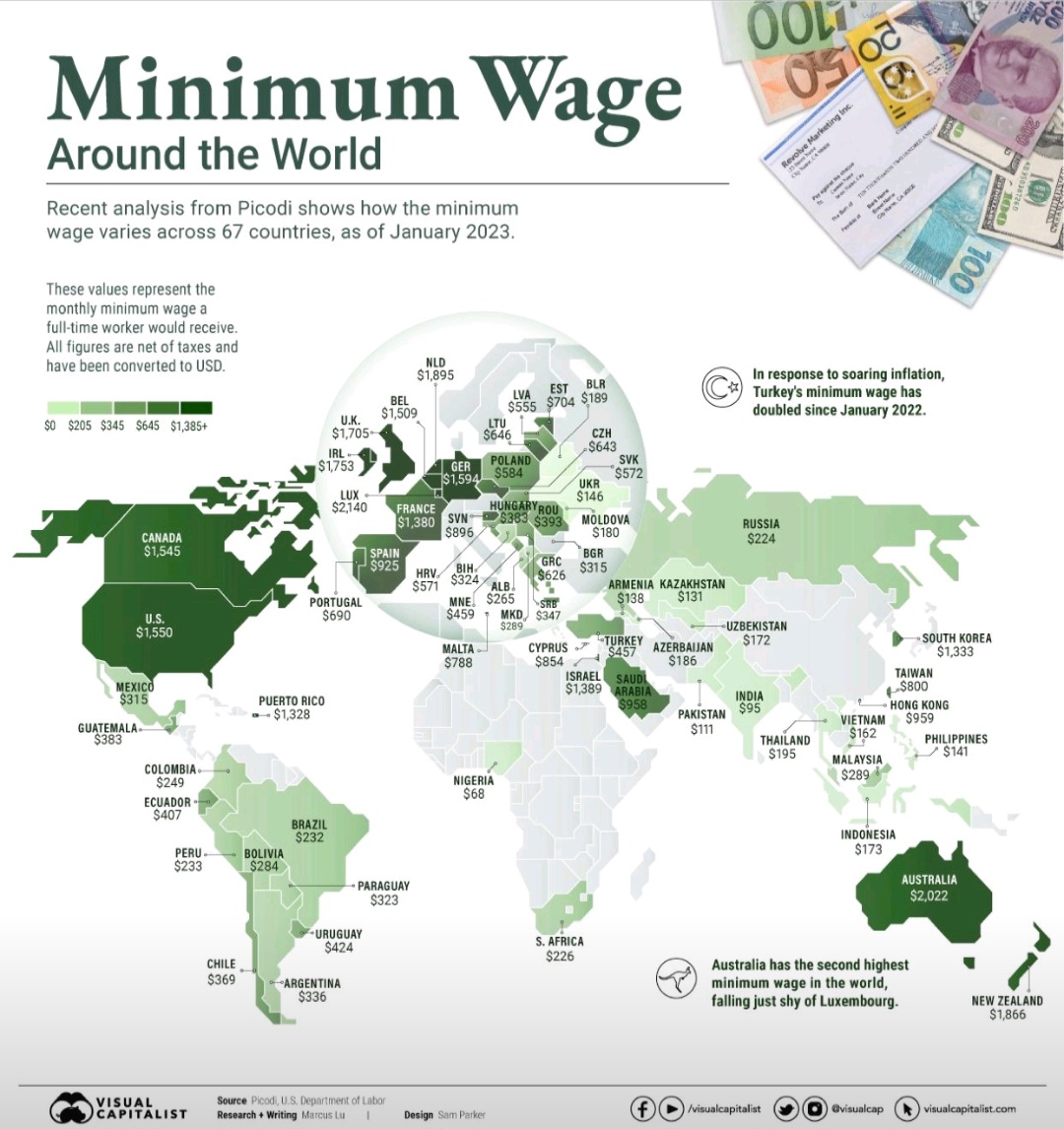
The Highest Minimum Wage in the World | Mappr

State Minimum Wage Rates

We need a £15 minimum wage, this is how to get there – TUC
The minimum wage rates vary significantly from state to state. Some states, such as California and New York, have implemented a $15 per hour minimum wage, while others, like Alabama and Louisiana, have no state minimum wage law, defaulting to the federal rate. The following are some examples of state minimum wage rates:
The Minimum Wage Debate: Contributing To The Endemic Corruption In ...
California: $15.00 per hour New York: $15.00 per hour Florida: $10.00 per hour Texas: $7.25 per hour (federal rate) Washington: $14.49 per hour
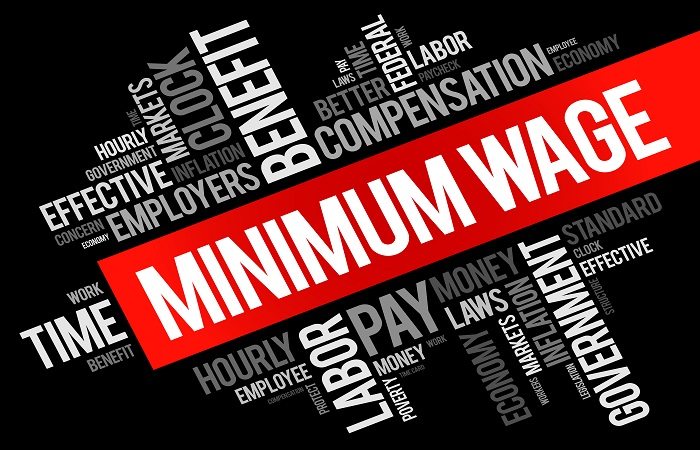
Infographic Minimum Wage

U.S. Department of Labor Regulations

The U.S. Department of Labor is responsible for enforcing the FLSA and ensuring that employers comply with federal and state minimum wage laws. The department provides guidance on minimum wage requirements, including: Minimum wage rates for tipped employees Overtime pay requirements Exemptions for certain employees, such as those with disabilities or those employed by small businesses
Understanding Minimum Wage: A Comprehensive Guide to Minimum Wage and ...

Importance of State Minimum Wage Laws

State minimum wage laws play a crucial role in protecting workers' rights and promoting economic growth. By setting a higher minimum wage, states can: Reduce poverty and income inequality Increase consumer spending and economic activity Attract businesses that value fair labor practices Improve worker productivity and job satisfaction In conclusion, state minimum wage laws are essential for ensuring that workers receive fair compensation for their labor. While the federal minimum wage remains stagnant, many states have taken the initiative to increase their minimum wage rates, reflecting the changing economic landscape. As the cost of living continues to rise, it is crucial for employers and employees to understand the state minimum wage laws and regulations set by the U.S. Department of Labor. By promoting fair labor practices and providing a living wage, we can build a more equitable and prosperous society for all. For more information on state minimum wage laws and regulations, visit the U.S. Department of Labor website at https://www.dol.gov/.